Social media has been a wonderful innovation, connecting us with friends, family and colleagues, and even serving up inspiration for travel, hobbies, lifestyle and shopping.
But these hugely popular platforms also attract cyber criminals hoping to exploit innocent users’ trust. As always, the theft of sensitive data and money remains the primary goal for these online fraudsters.
Here are some of the most common scams being orchestrated by scammers on various popular platforms across the globe, and the best ways to prevent social media scams:
- Investment & Cryptocurrency: Scammers build up relationships with unsuspecting users, offering fake investments under the guise of being an investment banker
- Romance Scams: Emotional exploitation is the game here, with fraudsters ‘love bombing’ their targets via fake profiles before requesting money to cover invented financial troubles
- Account Takeover Scams: Once a user has been duped into revealing their logins, the cyber criminal takes control of their profile, using it to spread more malicious content to others
- Spam Ads Leading to Fake Stores: Online fraudsters take advantage of social media ad space, creating spam ads linking to fake stores rigged to steal money and personal info
- Authentication Code Scams: 2FA may have made online account security much safer, but that hasn’t stopped scammers from devising deceptive methods to acquire one-time codes
- Curiosity “Is This You?” Scams: Scammers hope that fear and uncertainty will get panicking users rushing to find out more, with a phishing website at the ready to steal logins
- Impersonator Account Scams: As people trust people they know, online fraudsters will naturally attempt to commit illicit deeds by creating profiles with stolen familiar photos and info
- Giveaway, Lottery & Sweepstake Scams: Online scammers notify users that they’ve won a competition, but that the prize cannot be claimed until they’ve coughed up an admin fee
- Job Scams: Often carrying a ‘high-wage, low-hours’ hook, cyber criminals create fake social media profiles, websites and job application forms, hoping to snare data and money
- Quiz Scams: Scammers can be pretty crafty, here creating quizzes that comprise of both normal and deceptively personal questions, with collected answers used for illicit deeds
But how exactly can you avoid falling victim to social media scams such as these? Thankfully, there is much you can do to safeguard your online accounts against the tactics and tricks of fraudsters.

10 Red Flags of a Social Media Scam
Now that you’re aware of several of the most common social media scam practises, you can begin to develop a ‘sixth sense’ for suspicious content and behaviour. Here are several tips on how to stay safe:
1. Beware Stranger Profiles
Before engaging, always verify accounts to rule out scammers impersonating friends, family, colleagues, retailers and agencies, etc.
Be suspicious of brand new profiles, those with poor grammar, spelling and formatting (especially when it doesn’t seem to align with their claimed background and education, etc), and anyone who insists on switching from social media to text-based contact.
2. Beware Social Media Spam Ads
While not all social media ads are scams, of course, you should still avoid engaging with anything that looks suspicious, such as those offering deals on products and services that seem too good to be true.
3. Think Before Sending Money
Never (ever!) send money to someone you’ve never met in person. Some scammers are masters of emotional coercion and manipulation, skilfully wielding false promises and illusions of romance and financial wealth to reel in their victims.
4. Beware Suspicious Websites
Don’t enter sensitive info, be it personal or financial, on websites and stores until you’ve verified they’re genuine and secure. Look for transparency details, such as a direct address, contact and shipping, and also seek out reviews from unrelated websites.
Browser security tools, such as Total WebShield, can block phishing websites, steering you clear of hackers, malware and identity theft.
5. Beware Uncommon Payment Methods
Whether by a person or store, be very cautious if anyone asks you to complete a payment via gift card, wire transfer, cryptocurrency, or a peer-to-peer payment app like Cash App or Zelle.
6. Beware Suspicious Links
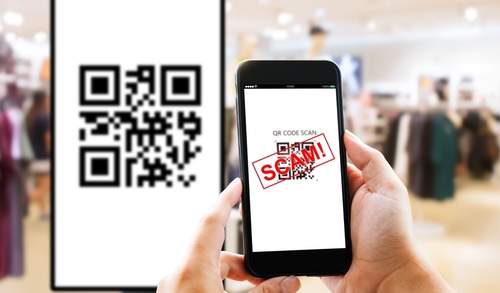
Avoid clicking anything suspicious such as pop-ups and links from unknown users and unsolicited DMs (direct messages). If you’re looking to reach a recognizable company’s official website, manually visit it instead for greater peace of mind.
You can block any suspicious profiles to prevent further contact, and also report them to the platform itself to help reduce harmful content.
7. Check Your Privacy Settings
Ward off unsolicited contact by adjusting your social media privacy settings to stop your posts from being visible to anyone but accepted friends. You can also alter other settings to further tighten your social channels’ privacy, if you wish.
8. Create Safer Account Login Security
Create strong, unique passwords for all your social media accounts, and consider using a Password Manager, such as TotalPassword, which can securely create and store all your logins.
It’s also highly recommended that you enable 2FA (Two-Factor Authentication). Once implemented, a more robust two-step verification process will then create an extra layer of security.
9. Beware Hacked Friend Profiles
If a friend has been posting some strange, uncharacteristic posts, don’t interact with their content until you’ve verified their profile hasn’t been hacked (ideally by phoning, texting or asking them in person).
If you suspect the profile may be an impersonation scam (see above), block the account to prevent further contact. Also, notify your friend so they can report it to the platform itself, reducing harmful users.
10. Use Antivirus Protection
With social media scams always adapting and becoming increasingly harder to spot, even the most vigilant of users can fall victim.
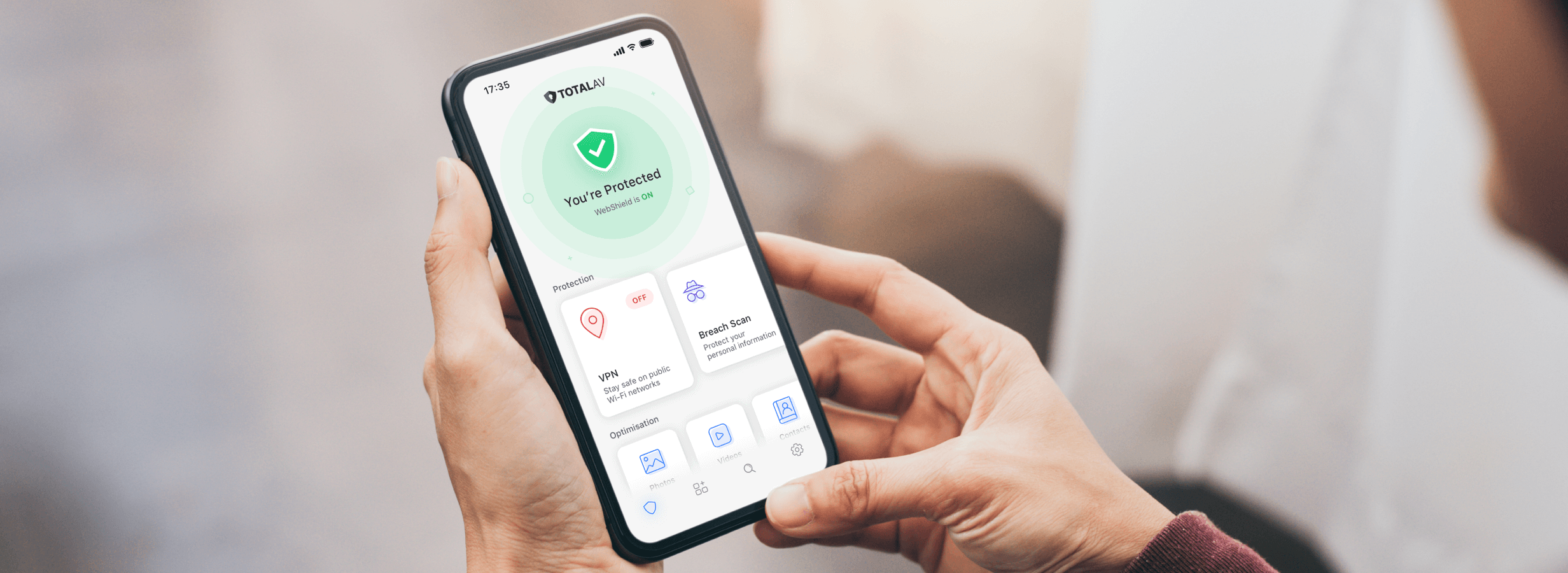
This is why having cyber security protection has become so vital. Market-leading suites, such as TotalAV, can automatically scan and detect harmful content in real-time, defending you against various online scams and notorious threats like ransomware.
The Power of Vigilance & Security
By remaining vigilant for dubious characters and unusual activity – having now gleaned our Top 10 tips on how to stay safe – you’ll stand a far greater chance of avoiding traps laid by social media fraudsters.
Along with trusting your instincts, be sure to strengthen your various accounts’ security and privacy settings, implementing effective safety measures such as 2FA, and also subscribing to a reputable antivirus provider to monitor for threats.