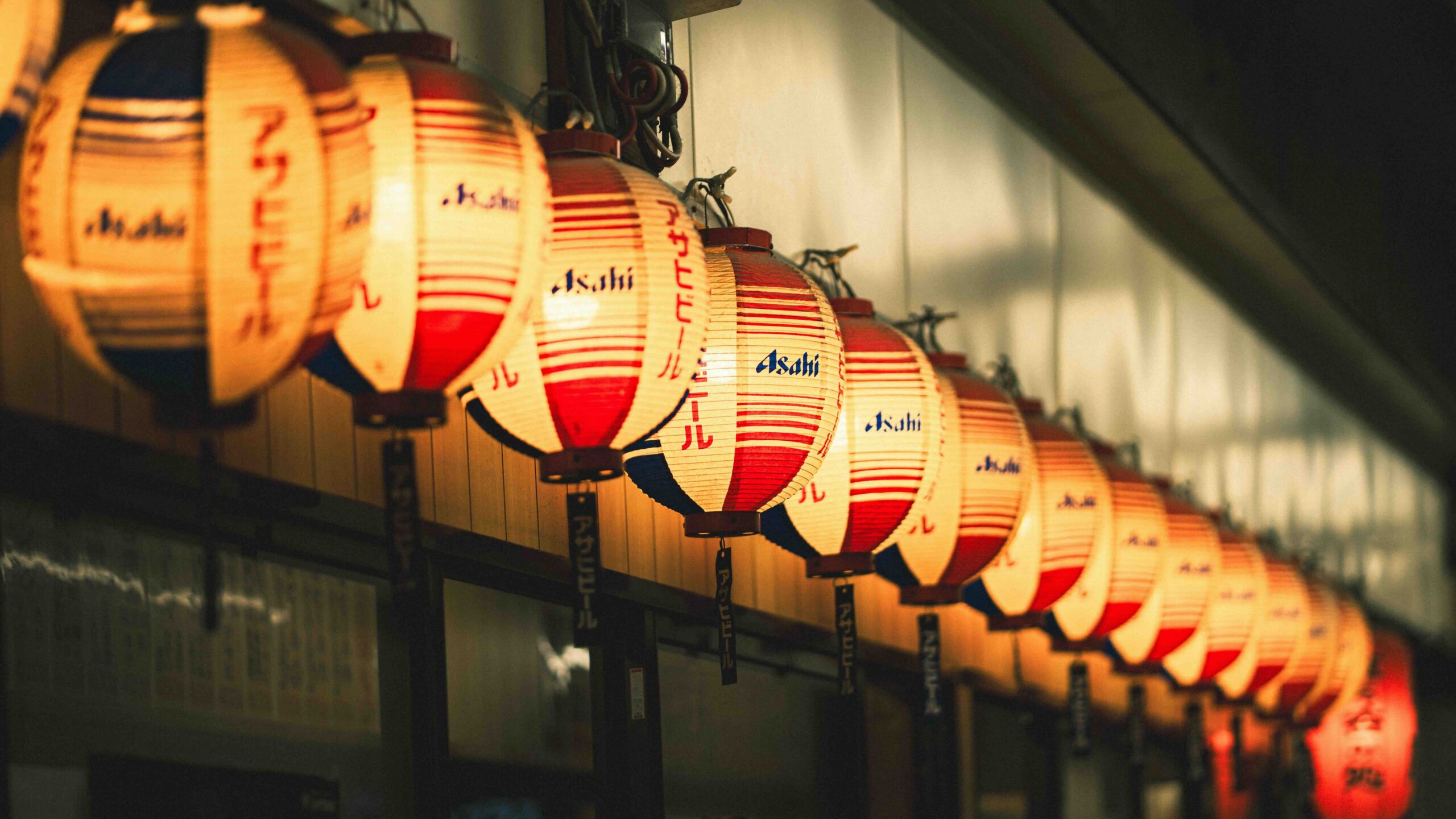
Le géant japonais du brassage Asahi a révélé que des données personnelles pourraient avoir été volées lors de l'attaque cybernétique par rançongiciel qui a frappé l'entreprise fin septembre.
L'entreprise a été contrainte d'arrêter la production dans la plupart de ses trente usines réparties dans le pays après que l'attaque a entraîné des perturbations majeures, les systèmes de commande, de livraison et de comptabilité ayant été fortement affectés.
Alors que l'entreprise tentait de faire face à l'attaque, l'impact s'est rapidement fait sentir par les grandes enseignes japonaises, notamment FamilyMart et 7-Eleven, qui ont connu une pénurie de produits Asahi tels que le thé en bouteille et sa bière phare.
La production a maintenant repris dans toutes les installations d'Asahi partiellement rouvertes, mais avec les systèmes informatiques de l'entreprise restant hors service, le traitement des commandes est limité aux stylos, au papier et aux télécopieurs.
Pendant ce temps, Qilin, un groupe de rançongiciels notoire basé en Russie et lié à des cyberattaques contre de nombreuses grandes organisations, a revendiqué la responsabilité de l'attaque contre Asahi.
Dans une récente déclaration, Asahi a indiqué que son quartier général des interventions d'urgence travaillait avec des experts en cybersécurité pour rétablir son système et déterminer si des données personnelles avaient été volées lors de l'attaque.
Bien qu'il n'ait pas été révélé quelles étaient les exigences de rançon du pirate informatique, ni quel type d'informations personnelles il aurait pu accéder, il a été dit que toute partie concernée serait contactée conformément aux lois sur la protection des données.
“ Alors que nous continuons d'enquêter sur l'étendue et les détails de l'impact, en nous concentrant sur les systèmes ciblés lors de la récente attaque, nous avons identifié la possibilité que des informations personnelles aient pu faire l'objet d'un transfert de données non autorisé ”, a lu un porte-parole d'Asahi.
“ Si l'enquête confirme cela ”, a poursuivi le communiqué, “ nous informerons rapidement les personnes concernées et prendrons les mesures appropriées conformément aux lois applicables en matière de protection des données personnelles. ”
Plus importante que ses concurrents japonais (notamment Suntory et Kirin), Asahi détient une part de marché de 37% ; outre la bière, l'entreprise produit également des boissons non alcoolisées et des produits alimentaires.
Bien qu'elle possède également des marques mondiales telles que Fullers, Grolsch, Pilsner Urquell et Peroni, le géant brassicole a déclaré que la cyberattaque n'avait eu un impact que sur ses opérations basées au Japon.
En raison des perturbations majeures causées par l'attaque, Asahi a déclaré qu'elle reporterait la publication de ses résultats financiers du troisième trimestre, et que la date exacte de divulgation dépendrait de l'avancement de la restauration des systèmes de l'entreprise dans les mois à venir. Protégez vos données critiques avec notre famille de solutions innovantes de cybersécurité, y compris la solution primée TotalAV antivirus, équipé d'outils de pointe tels que l'analyse en temps réel pour une protection de premier ordre contre les menaces les plus récentes et en constante évolution.