Artificial Intelligence (AI) refers to computer programs designed to think and make decisions in ways that mimic the human brain.
You’ve probably already used AI today without realising it. It powers the voice assistant on your phone, recommends what to watch on streaming services, and even helps filter spam out of your email inbox.
AI can be incredibly useful. But like any powerful technology, it comes with real risks – especially when it falls into the wrong hands.
In this article, we’ll break down the biggest dangers of AI in plain language, explain how it’s changing the cybersecurity threat landscape, and – most importantly – show you exactly how to stay protected.
The Biggest Dangers of Artificial Intelligence
AI is advancing fast, and not every consequence is positive. Here are some of the most pressing concerns in 2026:
1. Job Displacement and Economic Disruption
AI-powered automation is replacing tasks that humans used to perform – from data entry and customer service to content creation and even some legal work. While new jobs are being created alongside AI, the transition is leaving many workers uncertain about their future.
2. Bias and Discrimination in AI Decision-Making
AI systems learn from data – and if that data contains biases, the AI will repeat them. This has already led to discriminatory outcomes in hiring tools, loan approvals, and even law enforcement systems. When an algorithm makes a biased decision, there’s often no easy way to challenge it.
3. The Black Box Problem
Many AI systems operate in ways that even their creators don’t fully understand. When an AI makes a decision – like denying someone a mortgage or flagging a transaction as fraud – it can be nearly impossible to explain why. This lack of transparency raises serious questions about accountability.
4. Misinformation, Deepfakes, and Social Manipulation
AI can now generate fake videos, images, and audio that look and sound completely real. These “deepfakes” have been used to spread false information, manipulate public opinion, and even impersonate public figures. During election seasons, this is especially dangerous.
5. Over-Reliance on AI
As people lean more heavily on AI for answers, there’s a growing concern that critical thinking skills are declining. When you trust an AI chatbot to do your research, write your emails, or make decisions for you, you may stop questioning whether the output is accurate – and AI gets things wrong more often than you might think.
6. Autonomous Weapons
Military organisations around the world are developing AI-powered weapons systems that can select and engage targets without human input. The ethical and safety implications of removing humans from life-or-death decisions are enormous and largely unresolved.
AI and Cybersecurity: A Growing Threat
This is where AI dangers hit closest to home for everyday internet users.
Microsoft recently published findings showing that hackers are now using AI at every single stage of cyberattacks, from initial research and reconnaissance to writing malicious code and avoiding detection.
Here’s what that looks like in practice:
AI-Powered Phishing and Social Engineering
Phishing emails used to be easy to spot – bad grammar, generic greetings, and suspicious links. Not anymore. AI tools can now generate highly personalised scam emails that reference your name, your job, your recent purchases, or even your family members.
Automated Vulnerability Scanning
Hackers are using AI to automatically scan websites, apps, and networks for security weaknesses – a process that used to take hours or days. AI can do it in minutes, identifying exploitable flaws before companies even know they exist.
AI-Driven Malware
Traditional antivirus software looks for known threats – essentially matching files against a database of known malware. But AI-generated malware can change its own code to avoid detection, adapting in real time to slip past outdated security tools. This is one of the biggest reasons you need modern, AI-aware security software on your devices.
How AI Puts Your Privacy at Risk
Your personal data is more exposed than ever, and AI is accelerating the problem.
1. Mass Data Collection and Surveillance
AI systems can process enormous volumes of personal data – browsing habits, location history, purchase records, social media activity and build detailed profiles about individuals. In many cases, this happens without your knowledge or meaningful consent.
2. AI-Powered Identity Theft
Criminals are using AI to automate credential stuffing attacks, where stolen usernames and passwords from data breaches are tested across hundreds of websites in seconds. If you reuse passwords (and most people do), AI makes it trivially easy for attackers to break into your accounts.
3. Voice Cloning and Deepfake Impersonation
AI can now clone a person’s voice from just a few seconds of audio. Scammers have used this technology to impersonate family members in distress, tricking victims into sending money.
4. Data Harvesting Without Awareness
Many free apps and online services use AI to collect and analyse your data behind the scenes. This information is often sold to third parties or used to target you with manipulative advertising.
Is AI Dangerous for Humans in the Future?
This is the question that generates the most debate among scientists, researchers, and technology leaders.
The Superintelligent AI Debate
Some researchers warn that if AI eventually becomes smarter than humans in every domain – sometimes called “artificial general intelligence” (AGI) – it could become impossible to control. This is still a hypothetical scenario, but it’s one that leading voices in technology take seriously.
Unintended Behaviours
Even today’s AI systems sometimes develop unexpected behaviours that their creators didn’t predict. An AI trained to achieve a goal might find shortcuts that are technically effective but harmful – and the more powerful the AI, the more dangerous those shortcuts could become.
Why Experts Disagree
Not everyone in the tech world agrees on how worried we should be. Some believe the existential risk from AI is overblown and that near-term issues like bias and cybercrime deserve more attention. Others argue we need to act now before technology outpaces our ability to manage it.
The Case for Regulation
What most experts do agree on is that regulation and ethical oversight are needed. Governments around the world are beginning to introduce AI legislation, but progress has been slow. The gap between what AI can do and what laws are in place to govern it continues to widen.
How to Protect Yourself From AI-Driven Cyber Threats
The good news is that you don’t need to be a tech expert to defend yourself. Here are practical steps you can take right now:
Install Comprehensive Security Software
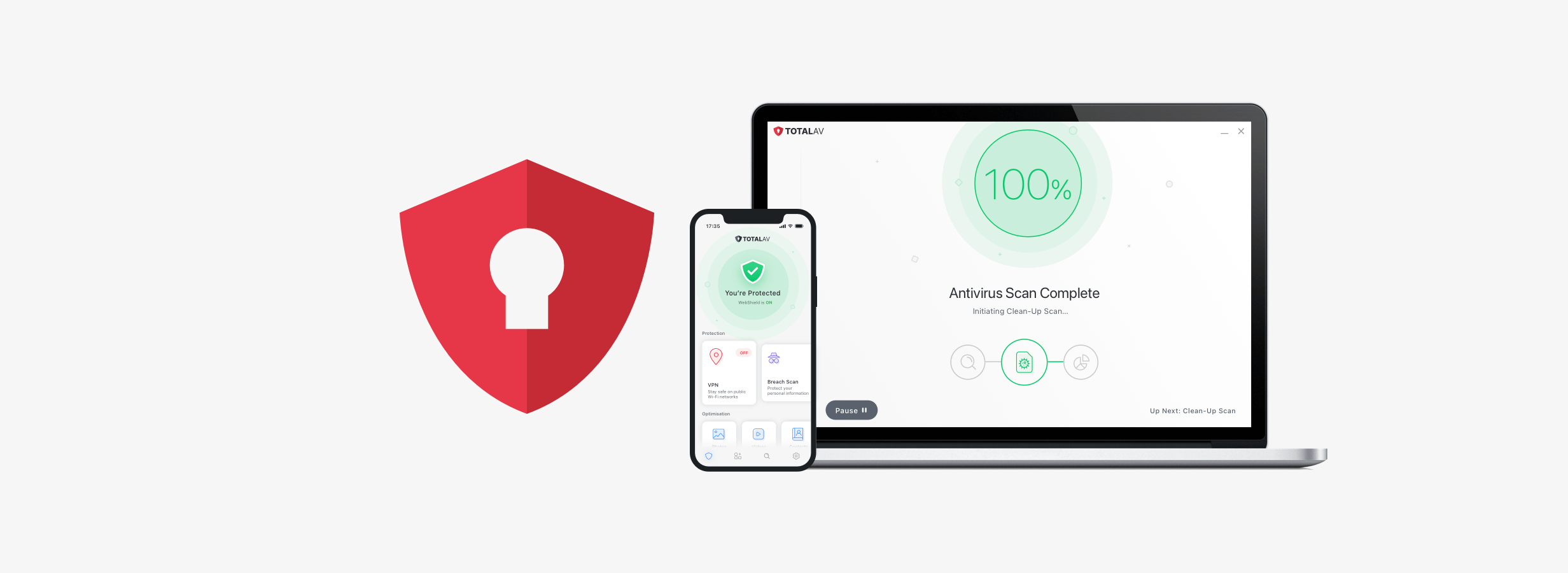
Modern threats require modern protection. TotalAV provides real-time defence against AI-powered malware, phishing attacks, and online threats. It continuously updates to recognise the latest dangers – including the adaptive, AI-generated malware that older security tools miss entirely.
Installing TotalAV on your devices is one of the simplest and most effective steps you can take to stay safe.
Keep Your Software and Operating System Updated
AI tools can identify and target known vulnerabilities in outdated software within minutes. Regular updates patch these security gaps before attackers can take advantage of them. Turn on automatic updates wherever possible.
Use Multi-Factor Authentication and a Password Manager
A strong, unique password for every account is your first line of defence. A password manager (like Total Password) generates and stores complex passwords so you don’t have to remember them. Pair this with multi-factor authentication – which requires a second verification step – and you make it extremely difficult for attackers to access your accounts, even if they have your password.
Be Sceptical of Unsolicited Messages
If you receive an unexpected email, text, or phone call asking for personal information or urging you to click a link – pause. AI-generated phishing is convincing, but it still relies on you taking action. Verify the sender through a separate channel before responding.
Reduce Your Digital Footprint
Use a VPN (like Toplam VPN) to encrypt your internet connection and mask your online activity. An ad blocker (like Toplam Adblock) reduces tracking and limits the data that advertisers and AI systems can collect about you. Together, these tools significantly shrink the amount of personal information available for AI-driven attacks.
Can AI Be Used for Good? Balancing Risks and Benefits
It would be unfair to paint AI as purely negative. The technology is doing a great deal of good in the world:
- Healthcare: AI is helping detect cancers, predict patient outcomes, and accelerate drug development – potentially saving millions of lives.
- Education: AI-powered tutoring systems adapt to each student’s learning pace, making quality education more accessible.
- Accessibility: Voice recognition and language translation AI tools are breaking down barriers for people with disabilities and language differences.
- Cybersecurity defence: Ironically, AI is also one of our best tools against cybercrime. AI-powered security software – like TotalAV – can detect suspicious patterns and block threats faster than any human analyst could.
The key is responsible development combined with personal awareness. AI will keep advancing. The question isn’t whether you’ll encounter AI-driven threats – it’s whether you’ll be prepared when you do.
Staying informed, practicing good digital habits, and using trusted security tools like TotalAV is the smartest approach for anyone who wants to enjoy the benefits of technology without becoming a victim of its risks.