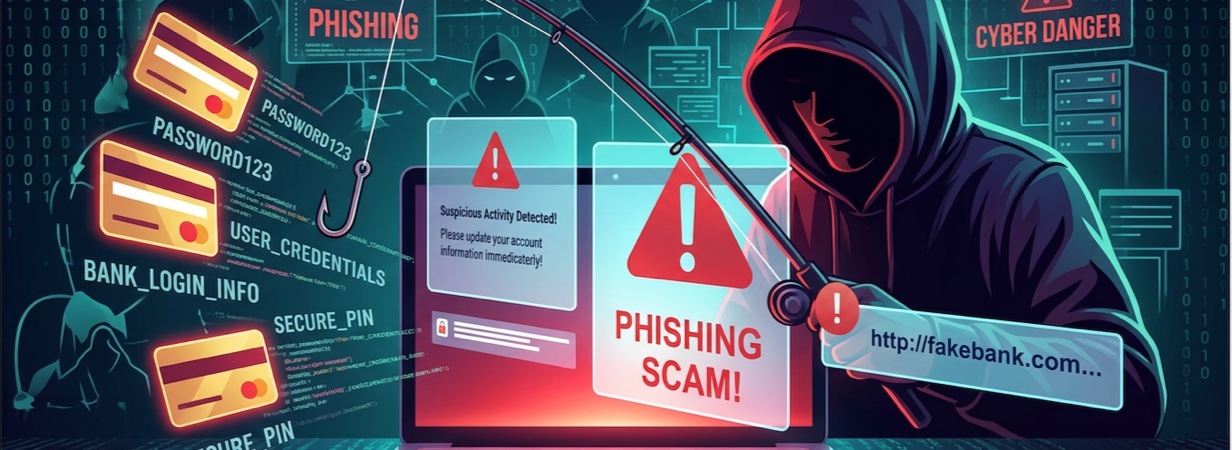
According to the Department for Science, Innovation and Technology (DSIT), phishing is the most common attack tool for cybercriminals. Hackers are now impersonating legitimate websites with the intention of tricking unsuspecting victims to reveal their login information. This blog post will share the best tool to spot fake websites with you, so you can protect your business or personal devices.
What Are Fake Websites?
Fake websites are known as cloned or spoofed sites. They impersonate government institutions, banking, retail, or healthcare businesses, to name a few. Cybercriminals copy the logos, fonts, brand colours, and layouts of legitimate web pages to masquerade as them.
The main goal of fake sites is to trick users into engaging with them so that they can steal their login details, like passwords. The scammers then either immediately encrypt their data and demand ransom payments, empty their bank accounts, or store the details to scam them later.
Why Fake Websites Are So Dangerous
Scammers create fake websites to:
Steal Passwords and Payment Information
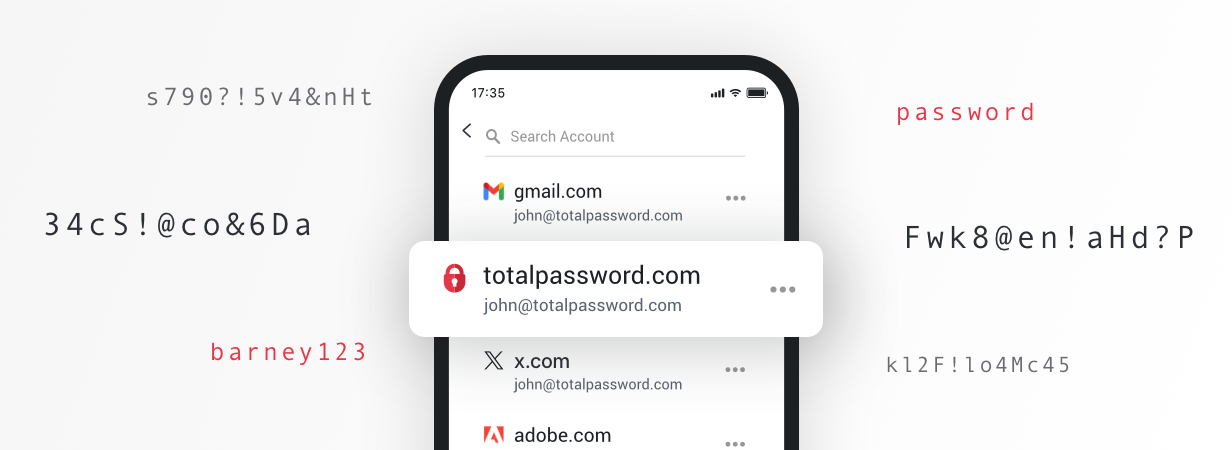
Fake websites have deceptive login pages that require you to enter your password and other sensitive details. Once the hackers behind them get your logins, they will use them to log into your account and steal your money.
Harvest Personal Data
Unsafe websites will often harvest your personal data and sell it for profit on the dark web. Cybercriminals can also use this data to steal your brand’s identity.
Spread Malware
Hackers can use fake websites to spread malware by tricking users into downloading malicious scripts and files.
How to Spot a Fake Website
Knowing how to identify a dangerous website can help you stay safe from cyber attackers.
Check the URL Carefully
Improve your browser security by checking every URL for odd domains with additional words or swapped letters (from lower to upper case).
An example of a fake URL is PAypal dot com instead of paypal dot com.
Look For Spelling Mistakes
Reputable businesses will hire top-of-the-range copywriters to create their articles. Therefore, you will never encounter grammatical errors on their web pages.
Be Cautious Of Unrealistic Offers
Phishing website protection requires you to be very keen on offers. Do they sound far-fetched? Is the messaging rushing you to take up the offer? This could be a scammer.
Review Contact Information
Use third-party tools like Truecaller to reverse search phone numbers. If a strange name shows up, you are dealing with a fake website. Another tell-tale sign is an email address that does not match the domain.
Watch For Poor Website Design
Another way to spot a malicious website is to assess its design. Does it have blurry images, broken navigation or unresponsive seals? A cybercriminal is behind it.
Avoid Unexpected Pop-Ups
If you’re browsing on the web and pop-ups and other aggressive ads show up out of nowhere, do not click on them.
Check For Secure Payment Methods
A legit website will use well-known payment methods like credit cards, debit cards, PayPal, Stripe or Wise, amongst others. On the other hand, scammers prefer options that are not reversible, such as:
- Gift cards
- Wire transfers
- P2P apps (Cash App or Venmo)
Search For Independent Reviews
Reviews on external websites like Trustpilot or Reddit will tell you everything you need to know about a site. Alternatively, type the site’s name on Google search followed by words like ‘reviews’ or ‘ratings’. A normal site should have positive and negative reviews. In addition, its rating should not be too low.
Why Manual Checks Can Fail
Cybercriminals are becoming smarter by the day. They are covering their tracks by:
- Copy-pasting content so there are no grammatical errors
- Purchasing HTTPS certificates to make the site appear secure
- Posting fake reviews
Use Total WebShield: The Best Tool To Spot Fake Websites
Total WebShield can improve your online safety while browsing the internet in real time. It does an amazing job protecting users from phishing, malware, ransomware, and other viruses. If you already have a TotalAV account, you will get Total WebShield free of charge.
Here’s what our solution will help you do:
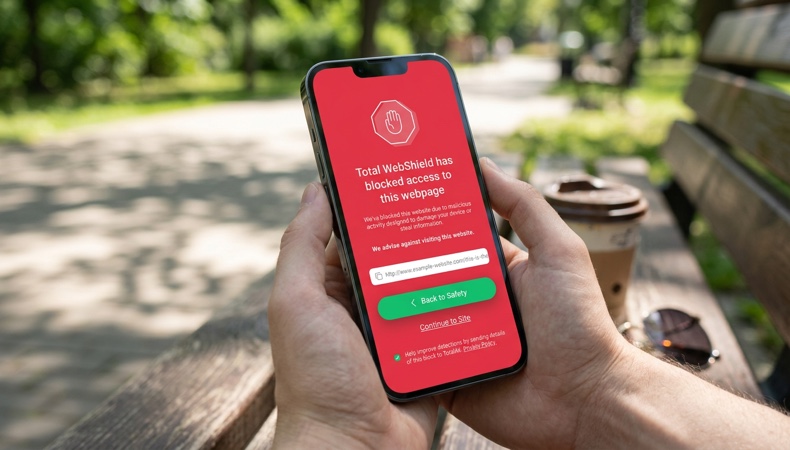
Detect Known Malicious Websites
Total WebShield comes with advanced scam website detection capabilities. It will highlight malicious sites in search results and warn you so you don’t click on their links.
Block Phishing Pages
Total WebShield is an excellent website safety checker that can detect and block phishing web pages.
Monitors the Dark Web
This tool checks the public breach data to see if your email has been compromised and then alerts you.
Realtime Alerts
This malicious website protection tool is always working in the background to see if you’re about to interact with a dangerous site. It will notify you immediately so you can avoid it.
Add An Extra Layer Of Protection While Browsing
This website security tool is compatible with browsers like Chrome, Edge, Opera, and Brave. This ensures you are safe whenever you’re online.
Conclusion
Total WebShield is the best tool to spot fake websites because of its powerful features such as real-time protection. It monitors the dark web, browsing results, and more. It also sends you alerts about suspicious sites so you don’t engage with them.
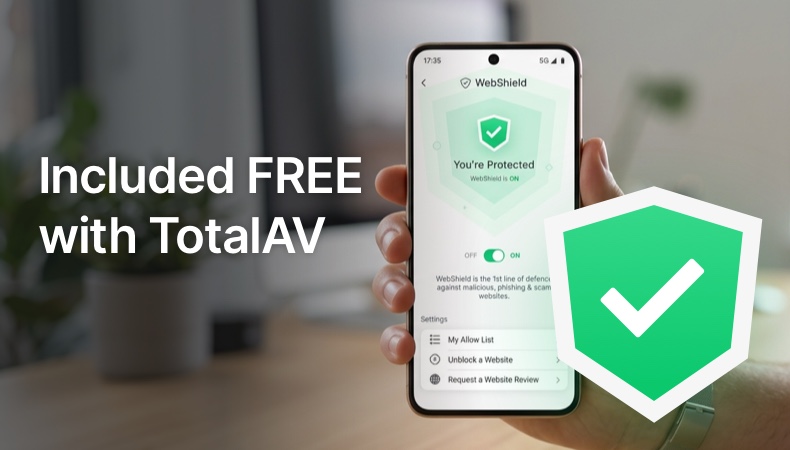
Total WebShield is included FREE with TotalAV, giving you an extra layer of protection while you browse online. It helps detect and block malicious, phishing and scam websites before they can steal your passwords, payment details or personal information. Working in the background as you use the web, Total WebShield makes it easier to browse, shop and bank online with greater confidence – without needing to purchase a separate web-protection tool.
Get TotalAV at 80% Off and enjoy all of Total WebShield’s features at no cost. To start using this web security tool, download it here.
FAQ
How can I tell if a website is fake?
Look for warning signs such as a misspelled web address, poor spelling, unrealistic offers, missing contact details or urgent requests for payment or personal information. Check that the site uses HTTPS, search for independent reviews and avoid clicking links sent unexpectedly by email or text.
What’s the best tool to spot fake websites?
The best tool for online scam protection is Total WebShield. It has robust security features such as:
- Online threat protection
- Pop-up blocking
- Real-time breach alerts
- Dark web monitoring
- Safe results highlighting
Can antivirus detect phishing websites?
Antivirus alone cannot catch every phishing website. Brand-new scam pages may not yet be detected. Website browser extensions like Total WebShield are needed to detect phishing websites.
Is Total WebShield included with TotalAV?
Yes, it is included for Free with TotalAV.
What should I do if I visit a fake website?
If you visit a fake website, close the page immediately and do not download anything or enter personal details. If you entered a password, change it straight away anywhere it was reused, enable two-factor authentication and run a security scan. If you shared payment information, contact your bank and monitor your accounts for suspicious activity.
You can report fake websites to Total WebShield here.